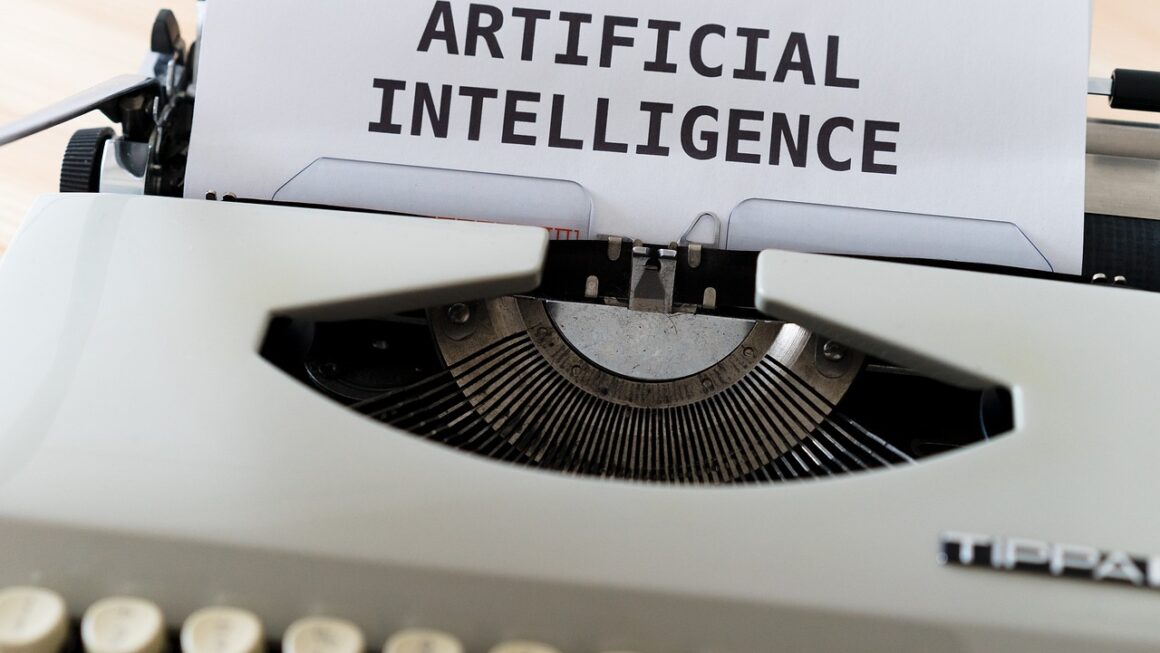

Artificial intelligence (AI) is no longer a futuristic fantasy; it’s rapidly becoming interwoven with the fabric of our daily lives. From the algorithms that curate our social media feeds to the sophisticated systems driving self-driving cars, AI’s influence is undeniable. But as AI’s capabilities expand, so do the questions surrounding its impact on society. This article delves into the multifaceted relationship between AI and society, exploring its benefits, challenges, and the ethical considerations that demand our attention.
The Pervasive Presence of AI: Transforming Industries
AI is revolutionizing industries across the board, boosting efficiency, productivity, and innovation. Its ability to process vast amounts of data and identify patterns far surpasses human capabilities, leading to breakthroughs in various sectors.
AI in Healthcare: Improving Patient Outcomes
AI is transforming healthcare, offering solutions for diagnosis, treatment, and personalized medicine.
- Diagnosis: AI algorithms can analyze medical images like X-rays and MRIs with remarkable accuracy, detecting diseases like cancer at early stages. For example, AI-powered systems are being used to screen mammograms, reducing the workload for radiologists and improving detection rates.
- Drug Discovery: AI accelerates the drug discovery process by analyzing complex biological data, predicting the efficacy of potential drug candidates, and identifying new targets for therapeutic intervention. This significantly reduces the time and cost associated with bringing new drugs to market.
- Personalized Medicine: AI can tailor treatment plans to individual patients based on their genetic makeup, lifestyle, and medical history. This approach, known as personalized medicine, optimizes treatment outcomes and minimizes side effects. Imagine a system that predicts a patient’s response to a specific drug based on their genomic profile, allowing doctors to prescribe the most effective medication.
AI in Finance: Automating Processes and Enhancing Security
The financial sector is heavily reliant on AI for various applications, from fraud detection to algorithmic trading.
- Fraud Detection: AI algorithms analyze financial transactions in real-time, identifying suspicious patterns and preventing fraudulent activities. These systems can detect anomalies that would be difficult for humans to spot, safeguarding consumers and financial institutions.
- Algorithmic Trading: AI-powered trading algorithms can execute trades based on market trends and pre-defined strategies, optimizing investment returns and minimizing risks. These algorithms react much faster than human traders, capitalizing on fleeting market opportunities.
- Customer Service: AI chatbots are increasingly used to provide 24/7 customer support, answering queries, resolving issues, and providing personalized financial advice. This improves customer satisfaction and reduces operational costs.
- Risk Assessment: AI algorithms are used to assess credit risk, predict loan defaults, and make informed lending decisions. This helps financial institutions manage their risk exposure and improve their profitability.
The Benefits of AI: A More Efficient and Connected World
AI offers a plethora of benefits that can improve various aspects of our lives, from enhancing productivity to solving complex global challenges.
Automation and Increased Efficiency
AI-powered automation streamlines processes, reduces errors, and frees up human workers to focus on more creative and strategic tasks.
- Example: In manufacturing, AI-powered robots perform repetitive tasks with precision and speed, increasing production output and reducing costs.
- Takeaway: Embrace automation to optimize workflows and improve efficiency in your organization.
Improved Decision-Making
AI algorithms analyze vast amounts of data to provide insights that humans may miss, leading to more informed and data-driven decisions.
- Example: In marketing, AI can analyze customer data to identify trends and personalize advertising campaigns, resulting in higher conversion rates.
- Takeaway: Leverage AI to gain a deeper understanding of your data and make more strategic decisions.
Solving Complex Problems
AI can tackle complex challenges in areas like climate change, disease prevention, and poverty reduction.
- Example: AI algorithms are being used to predict extreme weather events, develop new treatments for diseases, and optimize resource allocation to alleviate poverty.
- Takeaway: Explore how AI can be applied to solve pressing global challenges and contribute to a better future.
The Challenges of AI: Addressing Ethical and Societal Concerns
Despite its numerous benefits, AI also presents significant challenges that need to be addressed to ensure its responsible development and deployment.
Job Displacement and Economic Inequality
The automation of tasks by AI-powered systems can lead to job displacement, particularly in industries that rely heavily on manual labor.
- Mitigation: Invest in education and training programs to equip workers with the skills needed to adapt to the changing job market. Promote policies that support a fair distribution of wealth and opportunity.
- Example: Retraining programs for factory workers to become AI technicians.
Bias and Fairness
AI algorithms can perpetuate and amplify existing biases in data, leading to unfair or discriminatory outcomes.
- Mitigation: Ensure that training data is diverse and representative of the population. Develop AI algorithms that are transparent and explainable, allowing for scrutiny and accountability.
- Example: Audit algorithms used in loan applications to identify and eliminate biases that might discriminate against certain groups.
Privacy and Security
AI systems often require access to vast amounts of personal data, raising concerns about privacy and security.
- Mitigation: Implement robust data protection measures and ensure that individuals have control over their personal data. Develop AI algorithms that are privacy-preserving and minimize the collection and use of sensitive information.
- Example: Use anonymization techniques to protect user privacy while still allowing AI algorithms to learn from data.
Ethical Considerations and Regulation
The ethical implications of AI, such as the potential for autonomous weapons and the erosion of human autonomy, require careful consideration and regulation.
- Mitigation: Establish ethical guidelines and regulations for the development and deployment of AI systems. Promote public dialogue and engagement to ensure that AI is developed and used in a way that aligns with societal values.
- Example: Develop international agreements on the use of AI in warfare to prevent the development and deployment of autonomous weapons.
The Future of AI and Society: A Collaborative Partnership
The future of AI and society hinges on our ability to harness its potential while mitigating its risks. This requires a collaborative partnership between researchers, policymakers, businesses, and the public.
Education and Awareness
- Promote public education and awareness about AI to foster a better understanding of its capabilities and limitations.
- Encourage critical thinking about the ethical and societal implications of AI.
Policy and Regulation
- Develop clear and comprehensive policies and regulations for AI to ensure its responsible development and deployment.
- Address issues such as data privacy, algorithmic bias, and job displacement.
Research and Innovation
- Invest in research and innovation to develop AI systems that are safe, reliable, and aligned with human values.
- Focus on developing AI that augments human capabilities rather than replacing them entirely.
Collaboration and Dialogue
- Foster collaboration and dialogue between stakeholders to address the challenges and opportunities presented by AI.
- Encourage interdisciplinary approaches that bring together experts from different fields to tackle complex issues.
Conclusion
AI’s impact on society is profound and far-reaching. While it offers tremendous potential for improving our lives, it also presents significant challenges that must be addressed proactively. By fostering education, developing ethical guidelines, and promoting collaboration, we can harness the power of AI to create a more efficient, equitable, and sustainable future for all. The key is to approach AI not as a replacement for humanity, but as a powerful tool that can augment our abilities and help us solve some of the world’s most pressing problems.