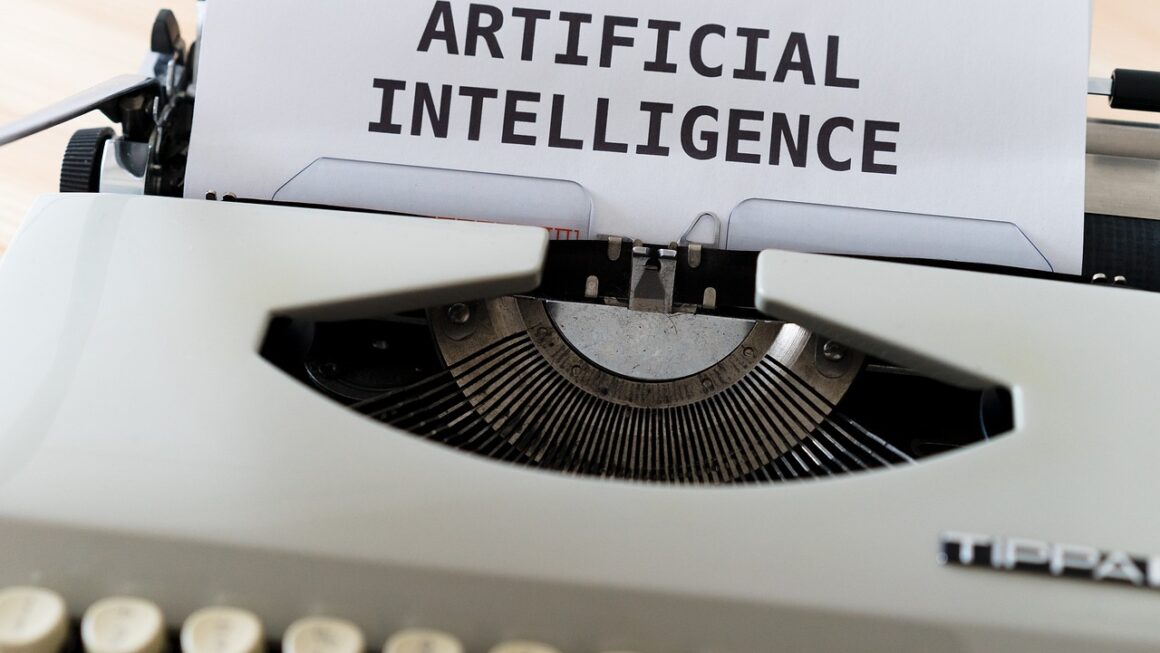

The customer service landscape is rapidly evolving, driven by increasing customer expectations and the relentless pursuit of efficiency. At the heart of this transformation lies Artificial Intelligence (AI). No longer a futuristic fantasy, AI is already revolutionizing how businesses interact with their customers, offering unprecedented opportunities to enhance satisfaction, streamline operations, and drive revenue growth. This post explores the multifaceted role of AI in customer service, diving into its various applications, benefits, and the considerations involved in successful implementation.
The Rise of AI-Powered Customer Service
What is AI in Customer Service?
AI in customer service refers to the use of artificial intelligence technologies to automate and enhance customer interactions. This includes a range of applications, from chatbots providing instant support to sophisticated analytics that predict customer needs and personalize experiences. By leveraging machine learning, natural language processing (NLP), and other AI techniques, businesses can provide faster, more efficient, and more personalized service across various channels.
Why is AI Adoption Growing?
Several factors are fueling the rapid adoption of AI in customer service:
- Increasing Customer Expectations: Customers expect instant responses and seamless experiences, regardless of the time or channel.
- Cost Reduction: AI can automate repetitive tasks, freeing up human agents to focus on more complex issues and reducing operational costs.
- Enhanced Efficiency: AI-powered tools can handle a high volume of inquiries simultaneously, improving response times and reducing wait times.
- Data-Driven Insights: AI can analyze vast amounts of customer data to identify trends, personalize interactions, and predict future needs.
- Improved Agent Productivity: AI can assist human agents by providing relevant information, automating tasks, and guiding them through complex interactions.
Key AI Applications in Customer Service
Chatbots and Virtual Assistants
Chatbots are one of the most visible applications of AI in customer service. These AI-powered virtual assistants can handle a wide range of inquiries, from answering frequently asked questions to providing product recommendations. They can be deployed on websites, mobile apps, and messaging platforms, providing 24/7 support.
- Example: A retail company uses a chatbot on its website to answer questions about product availability, shipping costs, and return policies. The chatbot can also guide customers through the purchase process and provide personalized recommendations based on their browsing history.
- Benefit: Reduced wait times, increased customer satisfaction, and lower support costs.
Natural Language Processing (NLP)
NLP enables computers to understand and process human language. In customer service, NLP is used to analyze customer sentiment, identify key topics in customer interactions, and route inquiries to the appropriate agents. It’s crucial for effective chatbot performance and understanding customer feedback.
- Example: An airline uses NLP to analyze customer reviews and social media posts to identify common complaints and areas for improvement.
- Benefit: Improved customer understanding, better issue resolution, and enhanced product development.
Predictive Analytics
Predictive analytics uses AI to forecast future customer behavior and needs. This allows businesses to proactively address potential issues and personalize customer experiences.
- Example: A subscription service uses predictive analytics to identify customers who are likely to cancel their subscriptions. The company can then proactively offer these customers incentives to stay, such as discounts or exclusive content.
- Benefit: Reduced churn, increased customer loyalty, and improved revenue.
AI-Powered Agent Assistance
AI can also assist human agents by providing them with real-time information, automating tasks, and guiding them through complex interactions. This can improve agent productivity, reduce errors, and enhance the overall customer experience.
- Example: A call center uses AI to provide agents with real-time transcripts of customer calls. The AI can also identify key topics and provide agents with relevant information and solutions.
- Benefit: Increased agent efficiency, improved customer satisfaction, and reduced call handling times.
Benefits of Implementing AI in Customer Service
Enhanced Customer Experience
AI can personalize interactions, provide faster responses, and resolve issues more efficiently, leading to a more satisfying customer experience.
- Personalized Interactions: AI can use customer data to tailor interactions to individual preferences and needs.
- Faster Responses: Chatbots and virtual assistants can provide instant support, eliminating wait times.
- Efficient Issue Resolution: AI can help agents quickly identify and resolve issues, reducing frustration for customers.
Increased Efficiency and Productivity
By automating repetitive tasks and assisting human agents, AI can significantly improve efficiency and productivity.
- Automated Tasks: AI can automate tasks such as answering frequently asked questions, processing orders, and scheduling appointments.
- Reduced Workload: By handling routine inquiries, AI frees up human agents to focus on more complex issues.
- Improved Agent Performance: AI-powered tools can provide agents with the information and support they need to perform their jobs more effectively.
Cost Reduction
AI can reduce operational costs by automating tasks, reducing the need for human agents, and improving efficiency.
- Lower Labor Costs: AI can handle a large volume of inquiries without the need for additional human agents.
- Reduced Training Costs: AI-powered tools can reduce the amount of training required for human agents.
- Improved Resource Allocation: AI can help businesses allocate resources more effectively, ensuring that the right agents are available to handle the most complex issues.
Data-Driven Insights
AI can analyze vast amounts of customer data to identify trends, understand customer needs, and personalize interactions.
- Customer Sentiment Analysis: AI can analyze customer feedback to understand their emotions and identify areas for improvement.
- Predictive Analytics: AI can predict future customer behavior and needs, allowing businesses to proactively address potential issues.
- Personalized Recommendations: AI can provide personalized product and service recommendations based on customer data.
Challenges and Considerations
Data Privacy and Security
It is crucial to protect customer data and ensure compliance with privacy regulations when implementing AI in customer service. This includes obtaining consent for data collection and usage, implementing robust security measures to protect data from unauthorized access, and being transparent about how data is used.
Training and Implementation
Implementing AI effectively requires proper training and implementation. This includes training AI models on relevant data, integrating AI tools with existing systems, and providing ongoing monitoring and maintenance.
Maintaining the Human Touch
While AI can automate many aspects of customer service, it is important to maintain the human touch. Customers still value personal interactions, especially when dealing with complex or sensitive issues. A successful AI strategy should strike a balance between automation and human interaction.
- Tip: Design AI systems to seamlessly transfer customers to human agents when necessary. Train agents to handle complex issues and provide empathy and understanding. Regularly review and refine AI interactions to ensure they meet customer needs and expectations.
Conclusion
AI is transforming the customer service landscape, offering unprecedented opportunities to enhance customer experiences, streamline operations, and drive revenue growth. By understanding the various applications of AI and addressing the challenges and considerations involved in implementation, businesses can leverage this powerful technology to create a more efficient, effective, and customer-centric service organization. Embracing AI is no longer a choice but a necessity for businesses that want to thrive in today’s competitive market.