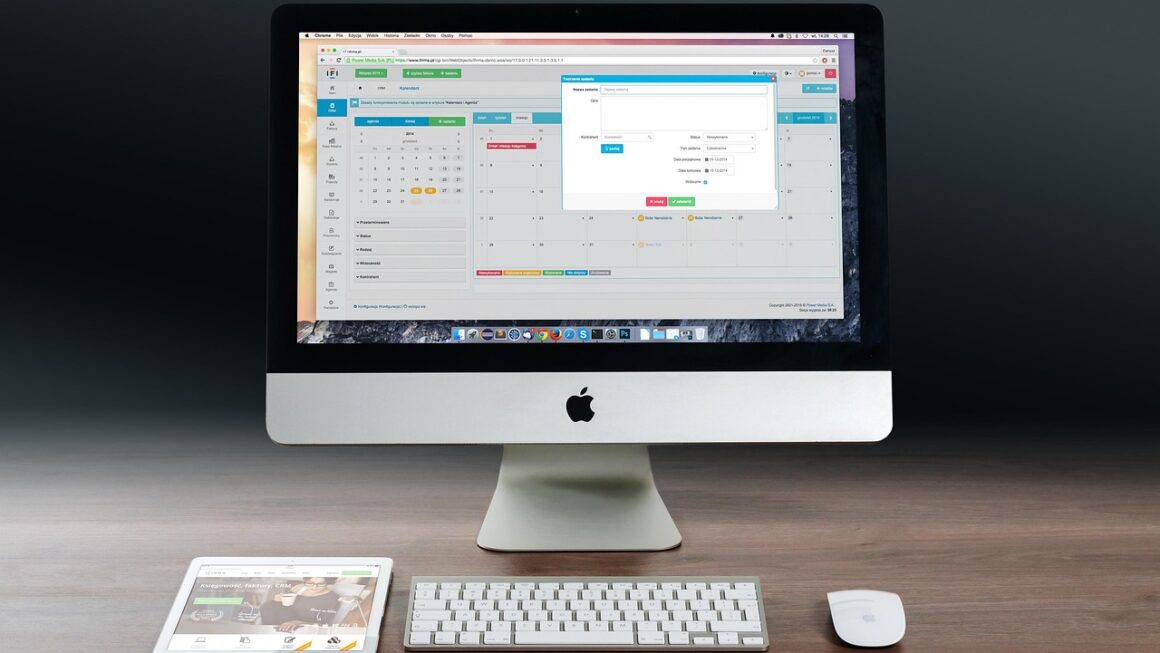

The modern workplace is evolving, and one of the most significant shifts is the rise of distributed teams. No longer confined to traditional office spaces, teams are now spread across cities, countries, and even continents. This new paradigm presents both exciting opportunities and unique challenges. This blog post explores the world of distributed teams, diving into their benefits, the tools and strategies needed for success, and how to overcome common hurdles. Whether you’re already managing a distributed team or considering adopting this model, this guide offers valuable insights to help you thrive in the age of remote collaboration.
Understanding Distributed Teams
What is a Distributed Team?
A distributed team, also known as a remote team or geographically dispersed team, consists of individuals working together towards a common goal but from different physical locations. This contrasts with traditional teams, where members are typically co-located in the same office. Distributed teams rely heavily on technology to communicate and collaborate, bridging the geographical divide.
- Key characteristics of distributed teams:
Members work from various locations (home, co-working spaces, satellite offices).
Communication relies on digital tools and platforms.
Requires strong self-discipline and time management from each member.
Team success depends on clear processes and well-defined roles.
Benefits of Distributed Teams
Adopting a distributed team model offers several compelling advantages for both companies and employees.
- Wider Talent Pool: Access talent globally, not just within commuting distance of a physical office.
- Increased Productivity: Employees often experience fewer distractions and greater autonomy, leading to higher productivity. Studies show that remote workers can be up to 40% more productive than their office-based counterparts (Source: Stanford study).
- Cost Savings: Reduced office space requirements translate to significant savings on rent, utilities, and other overhead costs.
- Improved Employee Morale and Retention: Offering remote work options can boost employee satisfaction and reduce turnover rates. Employees appreciate the flexibility and work-life balance that distributed work allows.
- Business Continuity: A distributed team can better weather disruptions, such as natural disasters or pandemics, as operations aren’t tied to a single location.
- Enhanced Innovation: Diverse perspectives from team members with different backgrounds and experiences can foster creativity and innovation.
Challenges of Distributed Teams
While the benefits are significant, managing a distributed team also presents unique challenges that need to be addressed proactively.
- Communication Barriers: Differences in time zones, language, and cultural norms can create communication challenges.
- Lack of Face-to-Face Interaction: Building trust and rapport can be more difficult without regular in-person interactions.
- Difficulty Maintaining Team Cohesion: Fostering a sense of community and shared purpose requires conscious effort.
- Technology Dependence: Reliance on technology means potential disruptions due to technical issues, like internet outages or software glitches.
- Monitoring Performance: Tracking individual and team performance can be more challenging in a distributed environment.
Building a Successful Distributed Team
Establishing Clear Communication Protocols
Effective communication is the cornerstone of any successful distributed team. Establishing clear protocols and guidelines is crucial.
- Choosing the Right Communication Tools: Select a suite of tools that cater to different communication needs, including:
Instant Messaging (e.g., Slack, Microsoft Teams): For quick updates, informal discussions, and urgent matters.
Video Conferencing (e.g., Zoom, Google Meet): For meetings, presentations, and team-building activities.
Email: For formal communication, document sharing, and asynchronous updates.
Project Management Software (e.g., Asana, Trello, Jira): For task management, progress tracking, and collaboration on projects.
- Defining Communication Channels: Clearly outline which channel should be used for different types of communication. For example:
Use Slack channels for specific projects or topics.
Reserve email for formal announcements or external communication.
- Setting Expectations for Response Times: Establish clear expectations for response times to ensure timely communication. For example, agree that urgent messages should be answered within an hour during working hours.
- Encouraging Open and Honest Communication: Create a safe space where team members feel comfortable sharing ideas, asking questions, and providing feedback.
Fostering a Strong Team Culture
Building a strong team culture is essential for maintaining team cohesion and engagement in a distributed environment.
- Regular Virtual Team Building Activities: Schedule regular virtual team-building activities to help team members connect on a personal level. Examples include virtual coffee breaks, online games, or virtual happy hours.
- Promoting Social Interaction: Encourage informal communication and social interaction through dedicated channels or online forums.
- Recognizing and Rewarding Achievements: Publicly acknowledge and celebrate individual and team accomplishments to boost morale and motivation.
- Establishing Shared Values and Goals: Clearly communicate the team’s values, mission, and goals to ensure everyone is aligned and working towards the same objectives.
- Creating Opportunities for In-Person Meetings (If Possible): While not always feasible, occasional in-person meetings can help strengthen relationships and foster a sense of community.
Leveraging Technology for Collaboration
Technology is the backbone of distributed teams. Choosing and effectively using the right tools is essential for seamless collaboration.
- Project Management Software: Utilize project management tools to track tasks, assign responsibilities, and monitor progress.
- Collaboration Platforms: Implement platforms that facilitate real-time collaboration on documents, presentations, and other projects.
- Cloud Storage: Use cloud storage solutions to ensure easy access to files and documents for all team members.
- Screen Sharing and Remote Access: Implement tools that allow team members to share their screens and remotely access each other’s computers for technical support or collaborative work.
- Knowledge Management Systems: Create a centralized repository of information and resources to facilitate knowledge sharing and reduce information silos.
Establishing Clear Roles and Responsibilities
Clearly defined roles and responsibilities are crucial for ensuring accountability and preventing confusion within a distributed team.
- Documenting Roles and Responsibilities: Create detailed job descriptions that clearly outline the responsibilities of each team member.
- Assigning Owners to Specific Tasks and Projects: Assign a designated owner to each task or project to ensure accountability and prevent tasks from falling through the cracks.
- Using RACI Matrix: Utilize a RACI matrix (Responsible, Accountable, Consulted, Informed) to clearly define the roles and responsibilities of team members in relation to specific tasks or projects.
- Regular Performance Reviews: Conduct regular performance reviews to assess individual and team performance, provide feedback, and identify areas for improvement.
Overcoming Common Challenges
Addressing Time Zone Differences
Managing time zone differences is a common challenge for distributed teams.
- Establishing Core Hours: Define core working hours that overlap across different time zones to facilitate real-time collaboration.
- Using Asynchronous Communication: Encourage asynchronous communication through email, project management software, and other tools to minimize the need for real-time interaction.
- Scheduling Meetings Strategically: Schedule meetings at times that are convenient for the majority of team members, rotating meeting times to accommodate different time zones.
- Being Mindful of Cultural Differences: Be aware of cultural norms and customs related to work hours and communication styles.
Maintaining Security and Data Privacy
Security and data privacy are paramount concerns for distributed teams.
- Implementing Strong Security Measures: Implement robust security measures, such as two-factor authentication, strong passwords, and encryption, to protect sensitive data.
- Using Secure Communication Channels: Utilize secure communication channels, such as encrypted email and messaging apps, to prevent unauthorized access to confidential information.
- Providing Security Training: Provide regular security training to educate team members about best practices for protecting data and preventing cyberattacks.
- Complying with Data Privacy Regulations: Ensure compliance with relevant data privacy regulations, such as GDPR and CCPA.
- Establishing Clear Security Policies: Develop and enforce clear security policies regarding data access, storage, and sharing.
Measuring and Evaluating Performance
Tracking performance in a distributed team requires a different approach than in a traditional office setting.
- Focusing on Outcomes, Not Hours: Emphasize results and deliverables over the number of hours worked.
- Using Key Performance Indicators (KPIs): Define clear KPIs for individual and team performance to track progress and identify areas for improvement.
- Regular Check-ins and Feedback: Conduct regular check-ins with team members to provide feedback, address concerns, and track progress towards goals.
- Utilizing Performance Management Tools: Use performance management tools to track performance metrics, provide feedback, and conduct performance reviews.
- Creating a Culture of Transparency: Foster a culture of transparency by sharing performance data and progress updates with the team.
Conclusion
Distributed teams offer numerous advantages in today’s globalized world, from accessing a wider talent pool to boosting productivity and reducing costs. However, success requires careful planning, the right tools, and a commitment to building a strong team culture. By addressing the challenges proactively and implementing the strategies outlined in this guide, organizations can harness the power of distributed teams and thrive in the future of work. Embracing flexibility, fostering clear communication, and prioritizing employee well-being are key ingredients for building a high-performing, engaged distributed team that drives innovation and achieves organizational goals.